
Conflict Resolution Skills for Leaders

Conflict is an inevitable part of any team dynamic, but how it is managed can make or break a team’s success. Effective conflict resolution starts with understanding the common causes of conflict, such as miscommunication, differing values, or competing goals. Leaders must be proactive in addressing these issues before they escalate.

Active listening is a crucial skill in conflict resolution. By genuinely hearing and understanding each party’s perspective, leaders can identify the underlying issues and find common ground. It’s important to remain neutral and empathetic, showing respect for all viewpoints. This approach helps in de-escalating tensions and fosters a collaborative atmosphere for finding solutions.

Effective conflict resolution involves a structured approach. First, clearly define the problem. Next, gather all relevant information and perspectives. Then, evaluate potential solutions and agree on a course of action. Finally, follow up to ensure the resolution is effective and that relationships are restored.

Real-life examples of successful conflict resolution can provide valuable insights. Leaders who handle conflicts with fairness, transparency, and empathy not only resolve issues but also build stronger, more resilient teams.


Leading Through Change

Change is inevitable in any organization, and effective leadership during these times is crucial. Leading through change requires clear communication, adaptability, and resilience. The first step is to understand the nature of the change and its impact on the team and organization.

Clear communication is essential. Leaders must convey the reasons for the change, the expected benefits, and how it will be implemented. Keeping the team informed and involved reduces uncertainty and fosters a sense of ownership and collaboration. It’s also important to listen to team members’ concerns and feedback, addressing them empathetically.

Adaptability is another key trait. Leaders must be flexible in their approach, ready to adjust plans as new information and challenges arise. This adaptability demonstrates to the team that change, while challenging, can be managed effectively. Resilience is equally important, as it helps leaders maintain a positive outlook and persistence in the face of obstacles.

Successful change leadership involves involving the team in the process. By engaging team members in planning and decision-making, leaders can harness diverse perspectives and foster a collaborative spirit. This inclusive approach not only smooths the transition but also strengthens the team’s cohesion and commitment to the change.

Emotional Intelligence in Leadership

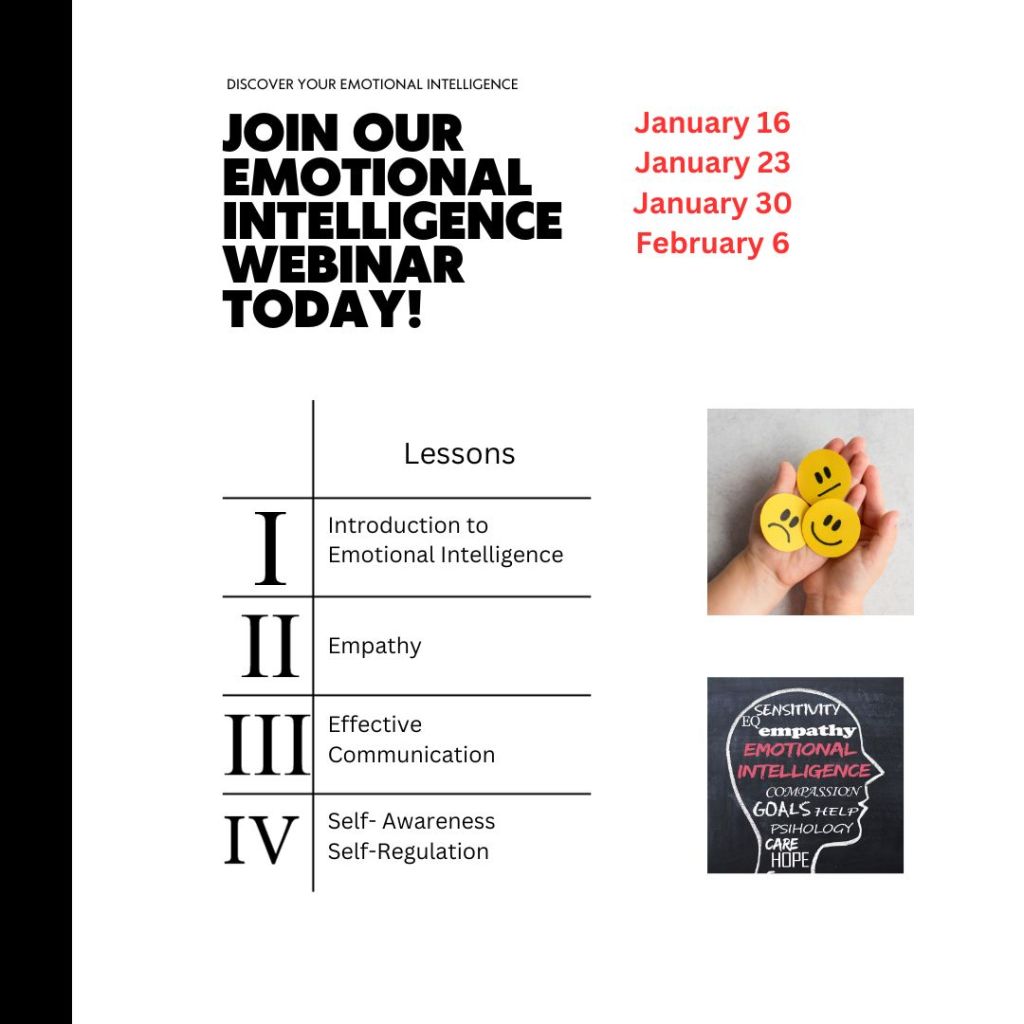
Emotional intelligence (EI) is a critical skill for effective leadership. It involves the ability to recognize, understand, and manage our own emotions, as well as the emotions of others. Leaders with high EI can navigate complex interpersonal dynamics and create a positive, productive work environment.

The key components of EI include self-awareness, self-regulation, motivation, empathy, and social skills. Self-awareness involves recognizing one’s own emotional state and its impact on others. Self-regulation is the ability to control or redirect disruptive emotions and impulses. Motivation refers to being driven to achieve for the sake of achievement. Empathy involves understanding the emotional makeup of other people, and social skills encompass managing relationships to move people in desired directions.

Developing EI starts with self-reflection. Regularly assessing one’s emotional responses and seeking feedback can help in identifying areas for improvement. Practical exercises, such as mindfulness meditation, can enhance self-awareness and self-regulation. Building empathy requires active listening and putting oneself in others’ shoes.

Leaders who prioritize emotional intelligence create a work environment where team members feel understood, valued, and motivated. This not only improves individual performance but also strengthens team cohesion and overall productivity.

Building Trust Within Your Team

Trust is the cornerstone of any successful team. Without it, collaboration falters, and productivity suffers. Building trust within your team starts with transparency. Leaders should communicate openly about their intentions, decisions, and any changes that may affect the team. This openness fosters a sense of security and reliability.

Consistency is another key component. Leaders must be reliable in their actions and decisions, ensuring that team members know what to expect. This predictability helps in establishing a stable and trustworthy environment. Personal connections also play a significant role. Taking the time to understand each team member on a personal level demonstrates care and builds mutual respect.

Trust-building activities can further strengthen these bonds. Team-building exercises, regular check-ins, and creating opportunities for team members to collaborate on projects can enhance mutual trust. It’s important to remember that trust is a continuous process, requiring ongoing effort and attention.

Maintaining trust over the long term involves staying committed to these principles. Consistently demonstrating transparency, reliability, and personal connection will help sustain a trusting and cohesive team environment.

The Foundations of Effective Leadership

Leadership is more than just a title; it’s a responsibility to inspire, guide, and influence others towards a common goal. The foundations of effective leadership rest on several core principles. Vision is paramount as it sets the direction and purpose for the team. An effective leader communicates this vision clearly and consistently, ensuring that every team member understands their role in achieving it.

Communication is another critical element. Leaders must be adept at both speaking and listening, fostering an environment where ideas can be exchanged freely. Integrity is also essential; leaders must act with honesty and uphold ethical standards, as trust is built on the reliability and consistency of their actions.

Self-awareness is a foundational trait of effective leaders. It involves understanding one’s strengths and weaknesses and being open to feedback. This awareness allows leaders to continuously improve and adapt their approach to better serve their team and organization.

Building these foundations takes time and effort, but the results are well worth it. By focusing on vision, communication, integrity, and self-awareness, leaders can create a solid base from which to lead effectively and inspire their teams to achieve great things.

Not so crazy business

Come up with a crazy business idea.

Bringing the best out of people is my business. I strongly believe that not enough is put into every employee to provide them with the tools to bring the best out of them. So many workers will tell you they are undertrained or they want more training.

People who are promoted into supervisory positions would eventually admit they were not prepared for the role. My business is people. Providing people with the tools to navigate the professional relam only helps us as a society. Providing leaders with the tools to train and mentor people will only make us better.

I want to provide one on one coaching and group training sessions to help people reach their greatest potential. I want to provide a platform of training for professional improvement. I want you to be better. I want to be better. My crazy business is people. People are an organization greatest asset, and it is time for us to put more stock in developing human capital.

2024, It is your time to decide.

Where do you want to be in 2024? Who do you want to be? This is a question I often ask myself as well. Trying to figure out what I want to offer the world and how I can accomplish my goals. I know I want to give the world all of the knowledge I have collected over the years.

Providing people with the tools to be better leaders is my passion. Subordinates, for lack of a better term the best leadership. The Army has this line in the NCO Creed, ” All Soldiers are entitled to outstanding leadership; I will provide that leadership”. This line is a line I live by and believe any person charged with cultivating others should as well.

I know, I know, you don’t think it is your job to cultivate others. You just wanted the extra money that comes with being a supervisor, or you wanted to be in charge. But guess what that is not how it works. In 2024 you need to decide to poop or get off the pot because they are waiting for you to provide guidance. They are looking for you to train and mentor them. Be the change you have always wanted to see. Be the leader you wanted and deserve, because they too deserve it.

It is your time to decide, what kind of leader you want to be. How do you want to lead? Do you have the tools?

Daily writing prompt
What is your mission?

Work isn’t honest but it pays the bills

Do you enjoy your job?

Working is a necessary evil in the modern world. It is absolutely necessary for us to maintain steady employment in order to obtain the things we need and want and to love our lives how we want. Unfortunetly we end up spending so much of our lives working and not even enjoying the money we earn. So if the question is: DO YOU ENJOY YOUR JOB? The answer for most, if being honest is, no. We probably all enjoy what our job affords us.

Some people are lucky enough to enjoy their jobs and if they do, they have made sacarfices for said job. I had a job that I really enjoyed, it gave me a sense of purpose. I felt like as if I was really doing something to better society, but the cost was…….it didn’t pay well. Lower pay than I was used to was the cost of feeling accomplished. Other get paid very well and enjoy their jobs, but that is usally at the cost of time with your family or even having a family.

How can we have it all? Enjoy our jobs, get paid well, live our lives and have the family we want?